You probably think of Swedish massage as the "basic" one — the massage equivalent of vanilla ice cream. Pleasant? Sure. But nothing to write home about.
Here's the thing: vanilla is the world's most popular flavor for a reason. And Swedish massage is one of the most thoroughly researched, scientifically validated therapeutic techniques on the planet. Those long, flowing strokes aren't just relaxing — they're doing things at the cellular level that would make a pharmacist jealous.
Let's dig into what's actually happening when those hands start moving.
A Brief History (It's Not Actually Swedish)
Plot twist: Swedish massage probably wasn't invented in Sweden.
The technique is widely attributed to Per Henrik Ling, a 19th-century Swedish physiologist who developed a system called "Medical Gymnastics" in the early 1800s. But the massage techniques we now call "Swedish" were actually systematized by Dutch physician Johann Georg Mezger in the 1860s and 1870s. Mezger is the one who gave us the French terminology — effleurage, petrissage, tapotement — that therapists still use today.
Regardless of who gets the credit, the result is a technique that has been refined over nearly two centuries and studied extensively by modern science.
Sources: [Calvert, R.N. "The History of Massage." Healing Arts Press, 2002]; [Pettman, E. "A History of Manipulative Therapy." JMMT, 2007]
The Five Core Techniques
Swedish massage uses five fundamental strokes, each with a specific purpose:
- Effleurage — Long, gliding strokes that follow the direction of blood flow toward the heart. Think of it as a gentle reset button for your circulatory system.
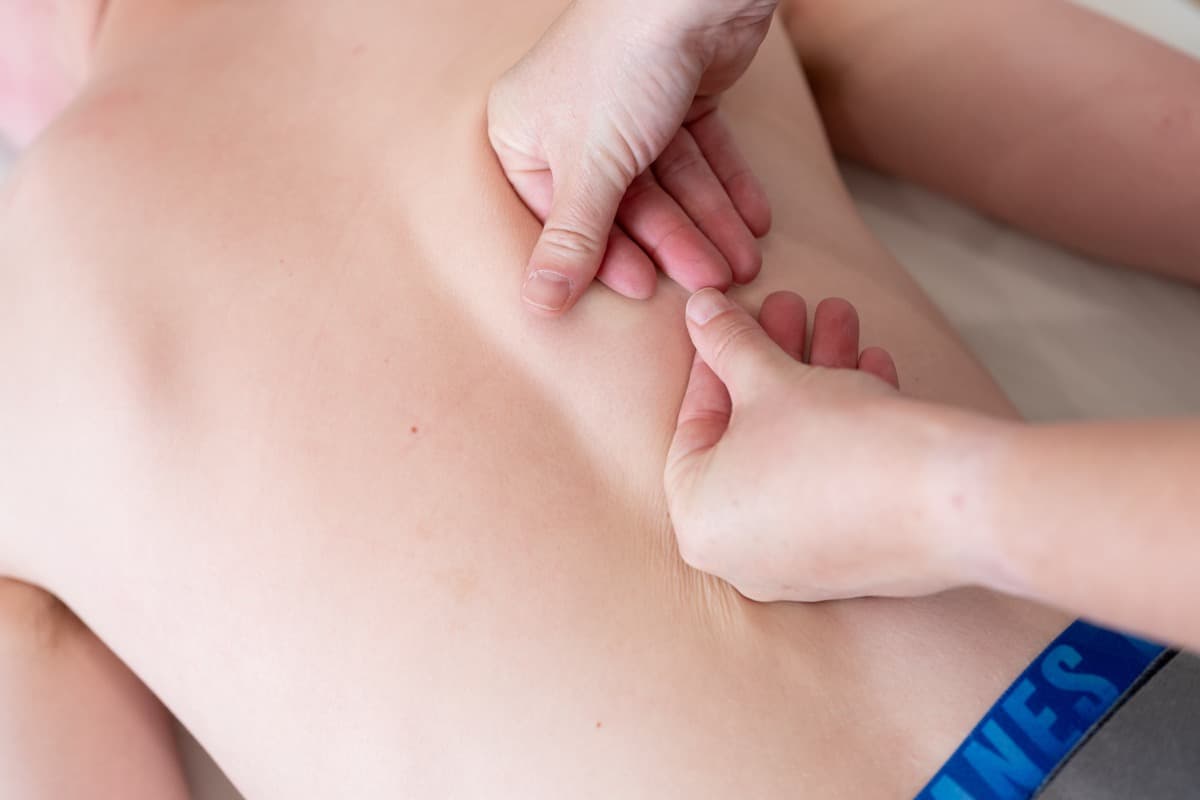
- Petrissage — Kneading, rolling, and lifting the muscles. Imagine your tissues are bread dough that's been sitting too long — petrissage works out the stiffness.
- Tapotement — Rhythmic tapping, chopping, or cupping. It's percussive, energizing, and increases local blood flow like a wake-up call for sluggish tissue.
- Friction — Deep, circular movements that target specific areas of tension. This is the "get in there and sort it out" technique.
- Vibration — Rapid shaking or trembling applied to the body, which helps loosen tight areas and stimulate nerve function.
What the Research Actually Says
This isn't anecdotal wellness fluff — Swedish massage has serious science behind it.
Stress and Cortisol Reduction
A landmark 2010 study published in the Journal of Alternative and Complementary Medicine by researchers at Cedars-Sinai Medical Center found that a single 45-minute Swedish massage session significantly decreased cortisol levels (the stress hormone) and arginine vasopressin (a hormone linked to aggressive behavior). Participants also showed increases in lymphocytes — white blood cells that help fight infection.
Pain Relief
A 2016 systematic review in Pain Medicine analyzed multiple studies on massage for chronic low back pain and found consistent evidence that massage therapy — Swedish massage in particular — provided significant short-term improvements in pain and functional status.
The American College of Physicians now includes massage therapy in its clinical practice guidelines for managing low back pain, recommending it as a non-pharmacological treatment option.
Sources: [Furlan, A.D. et al. "Massage for low-back pain." Cochrane Database of Systematic Reviews, 2015]; [Qaseem, A. et al. "Noninvasive Treatments for Acute, Subacute, and Chronic Low Back Pain." Annals of Internal Medicine, 2017]
Improved Circulation
Swedish massage strokes are specifically designed to move in the direction of venous blood flow — toward the heart. Research published in the Journal of Alternative and Complementary Medicine has demonstrated that massage increases blood flow in both the treated area and systemically. Think of it like clearing a traffic jam: once the congestion moves, everything flows better.
Immune Function Boost
That same Cedars-Sinai study found something remarkable: a single massage session produced measurable increases in the number of circulating lymphocytes. Follow-up research published in 2012 confirmed these findings over multiple sessions, suggesting that regular Swedish massage may provide cumulative immune benefits.
Source: [Rapaport, M.H. et al. "A single session of massage modestly attenuates the hypothalamic-pituitary-adrenal stress axis response." JACM, 2012]
Better Sleep
A 2019 meta-analysis in the Journal of Clinical Nursing reviewed 18 randomized controlled trials and concluded that massage therapy significantly improved sleep quality across multiple populations, including people with insomnia, chronic pain, and postpartum mothers.
If you've ever floated out of a massage and slept like a teenager that night, science has your back.
Source: [Siu, P.M. et al. "Effects of massage therapy on sleep quality: a systematic review and meta-analysis." Journal of Clinical Nursing, 2019]
Anxiety and Depression
A comprehensive meta-analysis published in Clinical Psychology Review reviewed 17 controlled trials and found that massage therapy was significantly associated with reduced anxiety and depression. The effect sizes were comparable to those seen with psychotherapy for anxiety.
Source: [Moyer, C.A. et al. "A meta-analysis of massage therapy research." Psychological Bulletin, 2004]
Who Benefits Most?
Swedish massage is remarkably versatile. It's particularly effective for:
- Office workers and desk jockeys — If your shoulders have taken up permanent residence near your ears, Swedish massage can coax them back down.
- Anyone dealing with chronic stress — The cortisol reduction alone makes it worth the investment.
- People new to massage — The pressure is customizable and the technique is gentle enough for first-timers while still being therapeutic.
- Athletes in recovery — The improved circulation and lymphatic drainage help flush metabolic waste from tired muscles.
- Chronic pain sufferers — Especially those with lower back pain, fibromyalgia, or tension headaches.
- Anyone who just needs better sleep — Seriously, try it before you try another supplement.
Swedish vs. Deep Tissue: What's the Difference?
People often ask us this, so let's clear it up.
Swedish massage uses lighter to moderate pressure with long, flowing strokes. It works primarily on the superficial muscle layers and focuses on relaxation, circulation, and overall wellness.
Deep tissue massage uses firmer pressure and slower strokes to target the deeper layers of muscle and connective tissue (fascia). It's more focused on specific problem areas — adhesions, chronic knots, and injury recovery.
Here's the analogy: Swedish massage is like a thorough spring cleaning of your entire house. Deep tissue is like ripping out that one stubborn section of carpet that's been hiding a problem for years. Both are valuable — they just serve different purposes.
The good news? At The Body Clinic, our therapeutic massage sessions often blend elements of both, customized to what your body needs that day.
How Often Should You Get a Swedish Massage?
There's no single right answer, but here's what the research and our clinical experience suggest:
- For stress management: Every 2-4 weeks maintains the cortisol-reducing benefits
- For chronic pain: Weekly sessions initially, tapering to bi-weekly as symptoms improve
- For general wellness: Monthly sessions are a solid baseline
- For athletes: Weekly during heavy training periods, bi-weekly during maintenance
The Bottom Line
Swedish massage isn't basic — it's foundational. It's backed by decades of research, refined over centuries of practice, and effective for everything from stress reduction to immune support to pain management.
It's the technique that everything else builds on. And done well — by therapists who understand anatomy, read tissue response, and adjust in real time — it's anything but ordinary.
Ready to experience what real Swedish massage can do? Book a therapeutic massage at The Body Clinic and find out why the classics never go out of style.
---
The Body Clinic offers therapeutic massage, including Swedish massage, at our South Ogden and Taylor, Utah locations. Learn more about our services or call (801) 896-7211 to book.